

Somewhere around week two of kitten ownership, the cuteness develops teeth. Hands get ambushed, ankles get hunted down hallways, and the question arrives: is my kitten mean? No. Your kitten is a tiny predator running the training program that's wired into them, and right now your hands are the only prey on the schedule. Biting is hunting practice, not attitude, and the fix isn't stopping the behavior. It's moving it. Here's the whole method.
Why kittens bite (it's a curriculum, not a character flaw)
Kitten play is hunting rehearsal: stalk, pounce, grab, bite, kick. Every kitten runs this program on whatever moves, and kittens raised with littermates get constant feedback on bite strength, because a littermate who gets chomped too hard yelps and quits the game. Kittens who left their litter early often bite harder for exactly that reason: nobody finished teaching them the volume control. Which means you can, using the same feedback system, minus the fur.
The one house rule that fixes most of it
Hands are never toys. Not for wiggling at a kitten, not for wrestling, not for "it's fine, it doesn't hurt yet." Every time a hand plays the part of prey, the lesson is that skin is a legal target, and the kitten who learns that at eight weeks becomes the twelve-pound cat who still believes it. The rule has to hold across the whole household, because one person who thinks hand-wrestling is funny undoes everyone else's work. If the biting is going to stop, the hands have to retire from show business completely, and something better has to take the role.
The redirect toolkit: legal targets for every attack
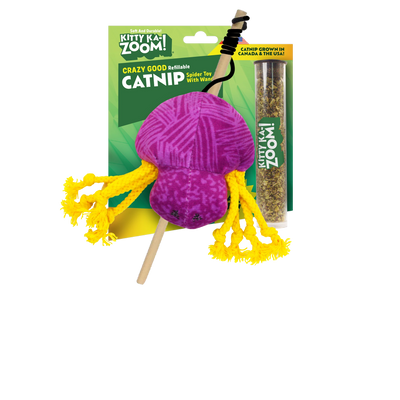
The wand is the distance weapon. A wand toy puts the prey a full arm's length from your skin while giving the kitten everything they actually wanted: movement, chase, pounce, catch. Run the daily sessions with it, and the hands stop being the most interesting moving objects in the house.
The kicker is the full-contact target. Grab-bite-bunny-kick is the attack kittens most want to practice on your arm, and a kicker toy exists to receive exactly that move. When a wrestle mood hits, the kicker goes into the grip, your arm comes out, and the kitten gets a target they're allowed to murder nightly.
The chew handles the teeth themselves. Kittens in the teething months gnaw because their mouth demands it. A dedicated chew stick gives the urge a job that isn't your knuckle.
The Legal Targets


The mid-bite move (what to do in the moment)
When teeth land on skin, the instinct is to yank your hand back, and it's exactly wrong: fast movement reads as prey escaping, which makes the game better. Instead: freeze, give a short high "ow," and go completely boring. Stop the hand, stop the game, stop the attention, and if the kitten re-engages, stand up and end the session for a minute or two. That's the same feedback a littermate gives (too hard, game over), and kittens learn it remarkably fast when it's consistent. No yelling, no nose taps, no spray bottles: punishment teaches a kitten to fear hands, which creates worse problems than it solves. The sequence is always the same: boring when teeth touch skin, immediately fun when the toy takes the hit.
When it's not play
Play biting comes with play body language: sideways hops, wiggle-butt stalking, loose posture, and a kitten who comes right back for more fun. Biting that comes with flattened ears, hissing, a stiff body, or hiding afterward is fear or pain, not games, and it earns a vet visit and a slower, gentler approach rather than a redirect. If a previously playful kitten suddenly turns bitey in a different way, that's also a vet question first.
The payoff timeline
Run the system consistently (hands retired, legal targets everywhere, boring-on-bite) and most households see the skin attacks drop within a couple of weeks, with the habit solidly rewired within a month or two. The energy doesn't go away, and it shouldn't: it goes into the games, the daily sessions, and eventually the glorious chaos of the adolescent months, which arrive with their own survival guide. A kitten taught early that toys are for fighting and hands are for naps becomes the adult cat everyone calls gentle, and the refillable lineup is the armory that gets you there.


0 comments