Why Do Cats Knock Things Off Tables?

Eye contact. Slow paw. Pen hits the floor. The internet's favorite cat crime has real explanations (none of them spite), a reason it keeps happening at 3 AM, and a fix that costs less than the mugs you've lost: give the paw a better job.

Why Do Cats Knock Things Off Tables?

It's the most documented crime in the cat world: deliberate eye contact, one slow paw, and your pen, phone, or third-favorite mug takes the long way to the floor. Why do cats knock things off tables? Not spite, despite how the eye contact reads. The real explanations are better, and every one of them points at the same fix: the paw needs a better job.

The three honest readings

1. It's hunting practice on stationary prey. The paw-pat is a real hunting move: cats test prey with a careful tap to check whether it's alive, dangerous, or playable before committing. A pen on a table is a perfectly prey-sized object holding perfectly still, and the slow push is the test. When it moves (by falling), the test gets interesting, which is why the cat watches the whole descent like it's the best part. It is.

2. It's physics research. Cats are compulsive investigators of how objects behave: what rolls, what slides, what makes noise, what disappears over edges. Batting things off surfaces is a one-paw science program, endlessly repeatable, with fresh results every time you restock the table.

3. It's the best attention button in the house. This is the reading most households feed by accident. The first knock might be science; every knock after you leapt off the couch is engineering. A cat who learns that paw-plus-mug summons a human instantly will file that away forever, and the 3 AM version exists because it works even better then: you were unreachable, and now you're not.

Why it peaks at night

The nocturnal edition is usually energy plus the attention button running together: a cat with unspent play drive and a sleeping audience discovers the dresser inventory. The fix for that half is the standard one: a real play session in the evening that ends with a caught toy and a meal, which spends the energy before the audience goes offline. Our energy timeline covers why the pressure builds, and the routine that fixes 3 AM knocking also fixes most other 3 AM careers.

The response that stops the loop (and the one that feeds it)

When something hits the floor and the cat is staring at you: go boring. No leap, no yelp, no chase; pick it up later, off-schedule. Every dramatic reaction is a payout on the attention button. Meanwhile, make the honest trade: the behavior itself is normal and healthy, so it doesn't stop, it moves. Clear the launch zones you actually care about, and stock the environment with things that are allowed to be batted, which brings us to the fun part.

The legal demolition kit

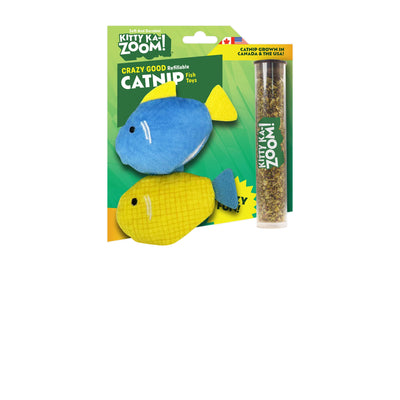
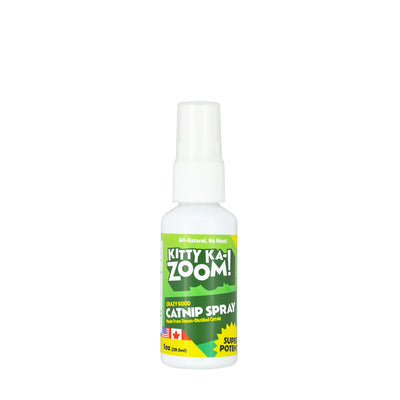
A paw that wants to push things needs things built to be pushed. A treat dispenser is the genius move here: it's an object that wobbles, rolls, and pays out food for exactly the batting energy the mug was absorbing, which answers the "toy that can't be knocked over" problem by being a toy that's supposed to be. Light battable toys like the multipack fish cover the floor-hockey instinct, and a spritz of catnip spray makes the legal objects more interesting than the illegal ones, which is the entire negotiation.

The Legal Demolition Kit
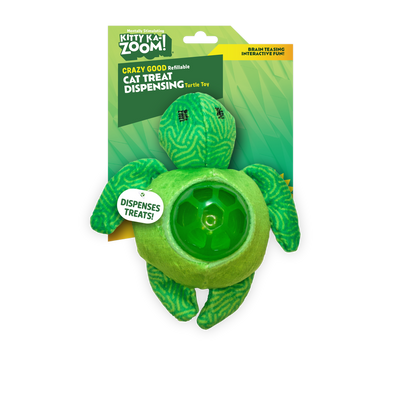
TREAT DISPENSER - ZOOMIE Sea Turtle
$7.99
Zoomie Multipack Fish Toy
$7.99
CATNIP SPRAY - 1oz. Bottle
$4.99

Which knocker do you live with?

Pick the profile, get the counter-move.

๐Ÿ”ฌ
The scientist
๐Ÿ“ฃ
The attention economist
๐ŸŒ™
The night shift

Counter-move: fund the research

Methodical batting at any hour, watching the fall with academic interest: this is hunting practice plus physics trials, and it's healthy. Clear the launch zones you care about and stock legal test objects: a dispenser that wobbles and pays out, light toys built for floor hockey.

Sea Turtle dispenserMultipack fish

Counter-move: close the loop, open a better one

Eye contact first, knock second, human third: that's a button, and every dramatic reaction pays it. Go boring when it happens (retrieve later, off-schedule), and give the attention-seeking a legal route: scheduled sessions they can count on, so summoning you stops requiring casualties.

Session ideasCatnip spray

Counter-move: drain the night shift

3 AM dresser archaeology is unspent energy finding the one game that wakes the audience. Run the evening hunt cycle (session, caught toy, meal) so the energy is spent before lights-out, and leave a loaded dispenser as the legal midnight option.

The energy timelineSea Turtle dispenser

The takeaway

The slow paw is a hunter testing prey, a scientist running trials, and an engineer pressing the button that summons humans, usually all three in one afternoon. Boring reactions close the attention loop, evening sessions drain the night shift, and a counter stocked with legal targets saves the mugs. The games list keeps the paw employed, and the refillable lineup is the inventory that's supposed to hit the floor.

Frequently Asked Questions

Why do cats knock things off tables?
Three honest reasons, none of them spite: it's hunting practice (the paw-pat is how cats test prey), it's physics research (cats compulsively investigate how objects behave), and it's an attention button (a knock that summons a human instantly gets filed away forever). Most cats run all three.
Why does my cat knock things over at night?
Unspent energy plus a sleeping audience: the knock works even better at 3 AM because you were unreachable and now you're not. An evening play session that ends with a caught toy and a meal spends the energy before lights-out, and a boring non-reaction stops rewarding the wake-up call.
How do I stop my cat from knocking things over?
You don't stop it, you move it: the behavior is normal and healthy. Go boring when it happens (no leaping, no chase, retrieve later), clear the launch zones you care about, and stock legal battable objects: a treat dispenser that pays out for pushing, light floor-hockey toys, and a catnip-spray refresh to make the legal targets the interesting ones.
Is my cat knocking things over for attention?
Often, yes, and usually because it works. The sequence that tells you: eye contact first, knock second, human reaction third. Every dramatic response pays the button. Boring responses plus reliable scheduled play sessions give the attention-seeking a route that doesn't cost mugs.
What toys are good for cats that bat things around?
Objects built for the batting instinct: a wobble-and-roll treat dispenser that pays out food for exactly that paw energy, light carryable toys for floor hockey, and a scent refresh to keep the legal inventory more interesting than your shelves. The dispenser doubles as the answer to the 'toy that can't be knocked over' problem by being one that's supposed to be.

More from the blog

0 comments