

Here's a secret the premium end of the cat toy aisle would rather you didn't dwell on: your cat cannot read price tags. The same animal that ignores a forty-dollar electronic mouse will play a championship season with a paper bag, and the science of cat play backs the bag. A genuinely enriched cat needs prey to hunt, things to solve, and novelty on rotation, and all three come cheap when you know what to buy and what to skip. This is the budget playbook.
The free tier is legitimately elite
Boxes and bags aren't a consolation prize; they're ambush architecture, and ambush is half of cat play. A box in the middle of the room is a new map. A paper grocery bag (handles removed) is a cave with acoustics. Rotate them weekly and the living room stays interesting forever, at a cost of zero.
The blanket mouse, a toy or your hand scratching under a blanket edge, remains the single most reliable play trigger in the free tier, working on kittens, seniors, and confirmed couch potatoes alike.
Games cost nothing. Hallway tosses with a crumpled paper ball, hide-and-seek around corners, floor-level treat hunts with their regular kibble: our games list runs eight of them, and six are free. The catch with the free tier is that YOU are the toy motor: it costs minutes instead of dollars.
Where the first dollars actually belong
When you do spend, the value logic is simple: buy things that either multiply the free stuff or run without you.
Catnip spray ($4.99) is the biggest multiplier per dollar in the store. A spritz revives every dead toy in the basket, marks a new box as interesting, and refreshes a scratcher. One small bottle upgrades everything you already own, which is the definition of value.
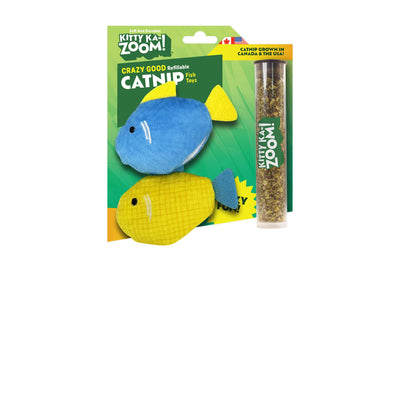
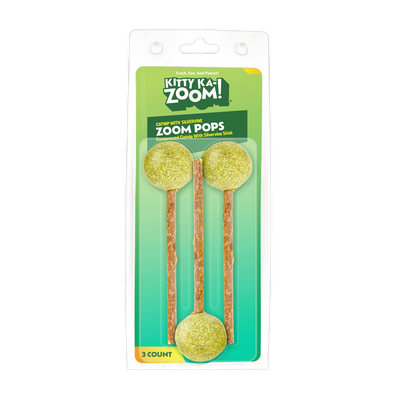
A refillable toy or two beats a basket of disposables, because the refillable pocket means the toy resets to day-one interest with fresh catnip instead of retiring to the couch-crevice graveyard. The multipack fish spreads one purchase across several toys (and several cats), and Pops covers the batting game.
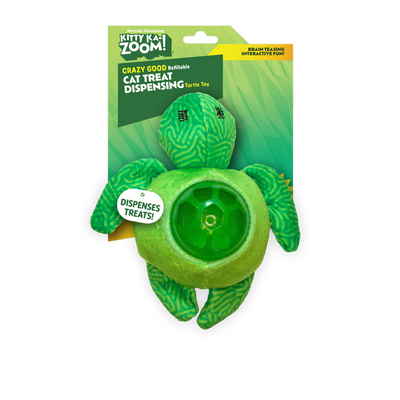
The treat dispenser ($7.99) is the run-without-you purchase: load part of a regular meal and it generates twenty minutes of hunting on demand, no human required. For the cost of a sandwich, the empty-apartment hours get a play program.
The Under-$25 Starter Kit

What to skip (the anti-shopping list)
Budget play is as much about the skips as the picks. Skip the single-purpose electronic toys that cats figure out and abandon inside a week. Skip buying five versions of a toy your cat already ignores (the problem is presentation or staleness, not quantity; the lazy-cat guide fixes it for free). Skip anything sold on cuteness aimed at you rather than prey-appeal aimed at the cat: you are not the end user.
And skip replacing "dead" toys before trying a resurrection: a catnip refresh plus a week out of sight brings most of the graveyard back to life. Rotation is the cheapest toy technology ever invented.
The budget week, assembled
Put it together and a fully enriched week costs almost nothing: boxes on rotation, two or three free games a day (ten total minutes), the spray keeping the toy basket alive, the dispenser covering the alone hours, and one refillable toy in active duty while the others rest. If your cat needs more output than that, the high-energy plan scales the same cheap pieces up, and the refillable lineup is there when a retirement finally sticks. Big play, small money, zero judgment from the cat, who, again, cannot read price tags.


0 comments