How to Build a Cat Obstacle Course at Home

Cat agility is absolutely a thing. It just runs on prey drive instead of praise. How to build a full obstacle course tonight from boxes, bottles, and cushions, and the wand-lure technique that gets your cat to actually run it.

How to Build a Cat Obstacle Course at Home

Dog people have agility courses, and somewhere along the way everyone agreed cats wouldn't do that. Nobody asked the cats. A cat will absolutely run a course of tunnels, weaves, jumps, and platforms, tonight, in your living room, built entirely from stuff you already own. There's just one rule that changes everything: a dog runs a course for you, and a cat runs a course for the prey. Get that right and the rest is cardboard.

Cat agility runs on prey, not praise

The wand toy is your course director. Wherever the lure goes, convincingly, like something alive and escaping, the cat follows: through the tunnel, around the weaves, up onto the platform. You're not commanding an athlete; you're writing a chase scene where the set happens to be an obstacle course. Sessions stay short, the prey lets itself get caught at the end, and the cat leaves convinced they hunted something across dramatic terrain, because they did.

If your cat needs warming up before they'll chase anything, run the slow-prey moves from our lazy-cat guide first. A cat that's already mid-zoomies, on the other hand, is pre-loaded: aim the energy at the course and enjoy the show.

The stations, from stuff you own

The tunnel. Two or three boxes with the ends opened, taped in a line. A paper grocery bag with the bottom cut out extends it. Every cat's favorite station, zero cats excepted.

The weave poles. A line of water bottles or soda bottles, spaced a cat-length apart. Lead the lure in an S-path through them. Real agility cats weave like skiers; yours will get there.

The jump. A broom handle across two stacks of books, ankle height to start. Keep it low: the game is the sequence, not the altitude, and low jumps keep it safe for every body type running your particular course.

The platforms. Couch cushions on the floor, an ottoman, a sturdy box. Up-and-over stations break up the ground game and let the vertical cats show off.

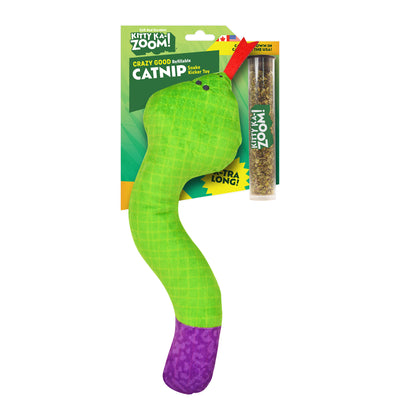
The wrestle station. A kicker toy waiting at a bend in the course. The lure pauses there, the cat catches and bunny-kicks it for a few seconds, and the chase resumes. Mid-course catches keep the hunt honest and the cat invested.

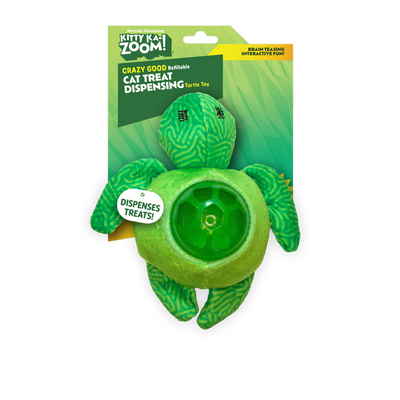
The finish line. The treat dispenser, or a simple treat drop. Every completed run ends in a payout. Hunts that pay are hunts that get re-run tomorrow.

Build your course

Pick your arena. Get the station order.

๐Ÿšช
The hallway
Long and narrow
๐Ÿ›‹๏ธ
The living room
Open floor, furniture edges
๐Ÿชœ
The climber's gym
Cat tree, shelves, stairs

The drag strip

  1. Tunnel at the entrance (boxes in a line)
  2. Weave bottles down the middle, a cat-length apart
  3. Low broom-handle jump at the two-thirds mark
  4. Kicker wrestle station at the far end, treat finish
Hallways create speed. Put a rug down if the floor is slick, and let the lure sprint the final stretch: this layout produces the best chase finishes in the house.

The grand circuit

  1. Tunnel along the couch back
  2. Cushion platforms, two hops' worth, on the floor
  3. Weaves around the coffee table legs (free station, already installed)
  4. Kicker station at the armchair bend, dispenser finish in the corner
Loop layouts let you run continuous laps without resetting. Reverse direction every second lap: a backward course is a brand-new course to a cat.

The summit route

  1. Ground tunnel to the base of the cat tree
  2. Lure leads up two levels of the tree (their pace, no rushing)
  3. Across to the ottoman or a sturdy shelf they already use
  4. Down to the kicker station, treat finish at ground level
Vertical routes only use furniture the cat already climbs confidently. The lure invites; it never lures a cat onto anything they wouldn't choose themselves. End on the ground so the wind-down lands.

Running it: the first session and the upgrades

First session: three stations, one slow lap, big finish. Let the lure crawl through the tunnel while your cat watches, take the weaves at walking pace, land the catch at the end. Two or three laps is a complete session. The course seeming too easy is correct for day one; a cat that wins the first run shows up for the second.

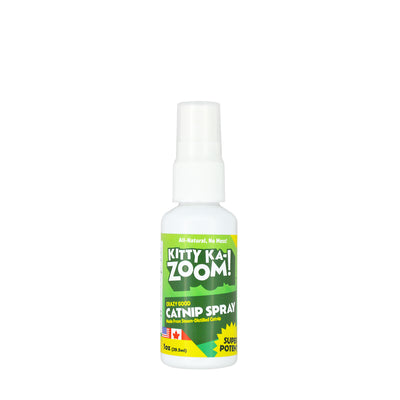
Upgrades come one at a time: a new station, a faster lure, a reversed direction (running the course backward is a brand-new course to a cat). A spritz of catnip spray on the tunnel mouth or the platform marks the route in scent and adds a second reason to visit each station. And if you've got a multi-cat household, run them separately: one course, one hunter, no committee.

Keeping it safe and keeping it fun

The safety list is short: keep jumps low, keep landings soft (no slick floors at speed; rugs are your friend), never force or carry a cat through any obstacle, and let refusals stand. A skipped station is feedback about the course, not failure. Seniors and the cats working on their conditioning run the flat version: tunnel, weaves, wrestle station, no jumps, same fun.

Ten minutes, a few laps, a caught lure, and dinner: that's a complete cat agility night, and it slots into the game rotation as the big production number. The refillable lineup staffs every station on the course.

Course Equipment
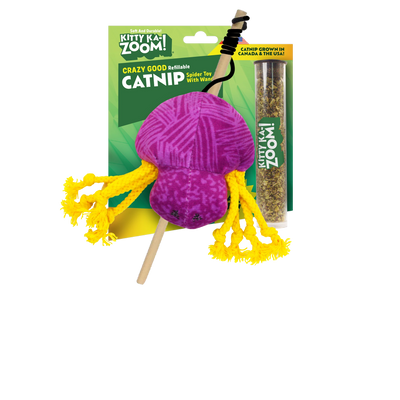
Kitty Ka-Zoom Zoomie Spider with Wand Refillable Catnip Toy
$6.99
ZOOMIE SNAKE KICKER - Refillable Cat Toy + Catnip
$6.99
TREAT DISPENSER - ZOOMIE Sea Turtle
$7.99
CATNIP SPRAY - 1oz. Bottle
$4.99

Frequently Asked Questions

Can cats really do obstacle courses?
Yes, and cat agility is a real competitive sport. The difference from dogs: cats run courses for prey, not praise. Lead a wand-toy lure through the stations like escaping prey and the cat follows through tunnels, weaves, and jumps. You're staging a chase scene, not issuing commands.
What can I use to build a cat obstacle course at home?
Household items cover everything: boxes taped in a line for the tunnel, water bottles as weave poles, a broom handle across book stacks for a low jump, and cushions or an ottoman as platforms. Add a kicker toy as a mid-course wrestle station and a treat at the finish, and the course is complete.
How do I get my cat to actually run the course?
The wand lure is the whole technique: move it through the course slowly and convincingly, like something alive trying to escape. Start with three stations at walking pace, let the cat catch the lure at the end, and keep sessions to two or three laps. A cat that wins the first run comes back for the second.
Is a cat obstacle course safe for older or overweight cats?
Yes, with the flat version: tunnel, weaves, and wrestle station with no jumps. Keep the pace slow, keep landings on rugs rather than slick floors, and never force any obstacle. Refusals are feedback about the course, and the ground-level game delivers the same fun without the impact.
How long should a cat agility session be?
About ten minutes: a few laps, a caught lure, and a treat finish is a complete session. Cats do best with short, winning runs that end on a catch, ideally before a meal so the hunt-then-eat rhythm lands. Upgrade the course one element at a time between sessions to keep it novel.

More from the blog

0 comments