

Here's the uncomfortable statistic: the majority of indoor cats in the US are overweight, and most of their owners would say they're not. That's not denial, it's math. A cat gains weight a few grams at a time, you see them every day, and fluff hides a lot. The good news is that you don't need a scale or a vet visit to get an honest answer. You need 30 seconds and your hands.
The three checks: ribs, waist, belly
The rib check. Run your hands along your cat's sides with light pressure, the way you'd stroke them. You should be able to feel the ribs under a thin layer of padding, roughly like feeling the bones on the back of your hand. If you have to press to find ribs, there's too much padding. If you can see ribs without touching, that's the other direction and also worth a vet chat.
The waist check. Look down at your cat from above while they're standing. Behind the ribs, the body should tuck inward before the hips: a visible waist. If the line from ribs to hips runs straight, or bulges outward, the waist has been lost to padding.
The belly check. From the side, the belly should slope upward from the ribcage toward the hind legs. A straight or sagging line suggests extra weight. One critical exception below.
Two or three failed checks means your cat is carrying extra weight. One failed check with two passes usually means borderline, and worth rechecking monthly.
The primordial pouch is not fat
That loose, swinging flap of skin on your cat's belly, the one that sways when they trot? That's the primordial pouch, and every cat has one. It's normal anatomy, more prominent in some cats and breeds than others, and it is not a weight problem. The difference: the pouch is loose and skin-soft and hangs low near the hind legs, while belly fat is a firm, rounded fullness across the whole underside. A lean, fit cat can have a magnificent pouch. Don't diet your cat over normal anatomy.
The signs that show up before the scale moves
Weight creep announces itself in behavior before it's obvious in the mirror:
Grooming gaps. A cat that can't comfortably reach their lower back or the base of the tail starts leaving that fur scruffy or greasy. Flexibility goes before anything else.
Jump hesitancy. The counter or windowsill they used to hit in one hop now gets a long stare first, or a two-stage route via a chair. Cats do physics before they jump, and they know when the payload has changed.
Shorter play, earlier quitting. Carrying extra weight is cardio. A cat that used to chase for five minutes and now taps out in one is telling you something.
Why it's worth acting on early
Extra weight in cats isn't a cosmetic issue. It loads the joints, raises diabetes risk, and makes everything from grooming to jumping harder, which starts a spiral: moving less leads to gaining more leads to moving less. The honest part: this is much easier to reverse early, when the fix is play and portion awareness, than late, when it's a medical project.
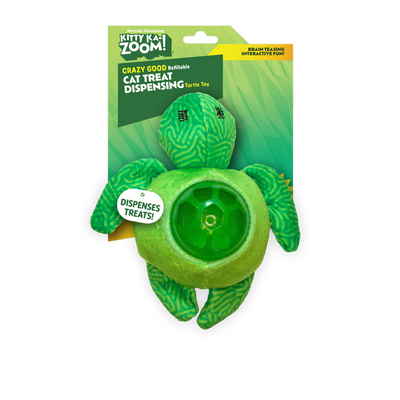
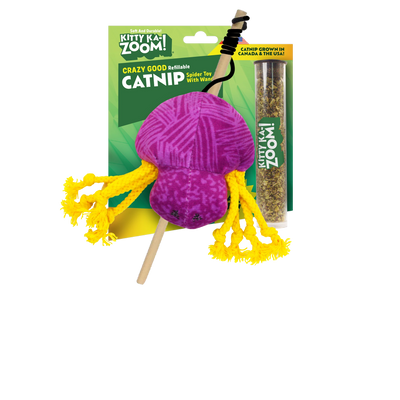
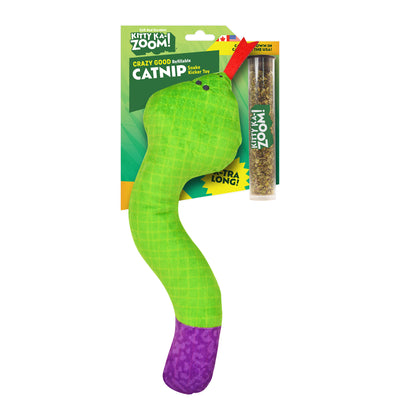
If your cat failed the checks, two moves matter. First, movement, and that's a solvable problem even for a confirmed couch potato: our overweight cat exercise guide is the complete plan, from two-minute starter sessions to making meals cost movement with a treat dispenser. Second, food, and that half belongs to your vet: portion changes for an overweight cat should be gradual and professionally guided, because crash-dieting a cat is genuinely dangerous.
The Get-Moving Kit
Tracking progress without obsessing
Weigh monthly, not daily. Healthy loss in cats is measured in ounces per month, and daily weighing just produces noise and worry. The bathroom-scale trick works fine: weigh yourself, weigh yourself holding the cat, subtract. Take a top-down photo each month too, since the waist reappears in photos before the scale convinces you.
And re-run the three checks monthly. The ribs coming back under your fingers is the real progress report, and it usually shows up alongside better ones: longer play sessions, easier jumps, and eventually the return of full-speed zoomies, which is the happiest weight-loss milestone a cat can hit.


0 comments