

Your vet said the magic words: "She could stand to lose a pound or two." Easy to say. But you can't put a cat on a treadmill, you can't take one jogging, and if you just cut the food back, you get a hungrier version of the same couch potato. Weight loss in cats has two levers, and the one nobody explains is movement. This is the movement half.
Why you can't out-diet a lazy cat
Cutting calories works, but cutting calories alone works badly. A cat that eats less and moves the same loses muscle along with fat, and less muscle means a slower metabolism, which means the diet has to get stricter to keep working. It's a bad loop.
There's also a real safety issue: cats should never lose weight fast. Rapid weight loss can trigger a serious liver condition in cats, which is why every vet will tell you "gradual." Play solves both problems at once. It adds calorie burn without starvation-level food cuts, and it preserves the muscle that keeps the metabolism running.
One more thing play fixes that diets can't: boredom eating. A lot of overweight indoor cats eat because the food bowl is the most interesting thing in the room. Give them a hunt instead and the bowl loses some of its pull.
Start smaller than you think
An out-of-shape cat is out of shape. The play sessions that work for a lean two-year-old will leave a heavy cat panting on the floor in ninety seconds, and a cat that gets exhausted and overheated in session one doesn't show up for session two.
So start tiny. Two to three minutes of actual movement counts as a session. Stop the moment you see open-mouth breathing, and let them fully settle before you go again. The goal for week one isn't burn, it's habit: three tiny sessions a day, every day, ideally before meals so the hunt-then-eat pattern locks in.
Keep everything at floor level at first. No jump-heavy play, no leaping off furniture. Extra weight is hard on joints, and ground-level chasing gives you all the movement with none of the impact.
Make them want it: prey movement, not exercise
Cats don't exercise. Cats hunt. The difference matters, because a toy waved in a cat's face is annoying, while a toy behaving like a small animal that hasn't noticed the cat yet is irresistible.
For a heavy cat, keep the prey on the ground. Drag a wand toy in slow, hesitant lines away from them. Pause behind furniture legs. Let it "hide" and peek out. The stalk is where a reluctant cat commits, and a slow stalk is exercise too: watch the muscles working while they creep. When they charge, give them the catch every few attempts. A hunt with no catch stops being worth the effort, especially for a cat already inclined to sit this one out.
End every session with a caught toy they can wrestle. The catch is what makes the whole thing feel finished instead of frustrating.
Ground-Level Hunt Kit
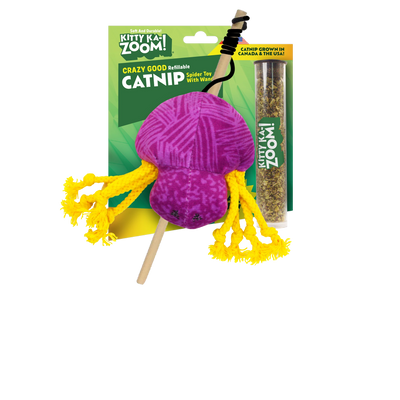
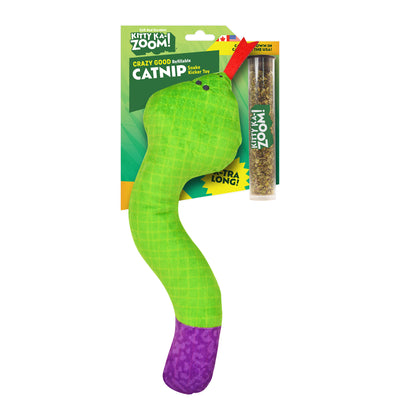
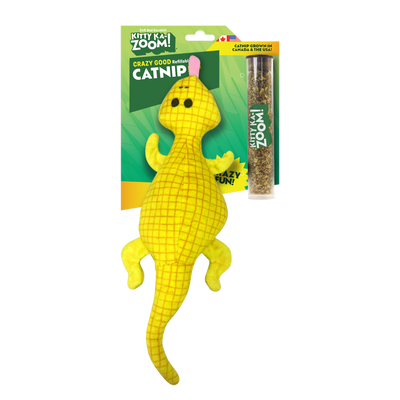
Make calories cost movement
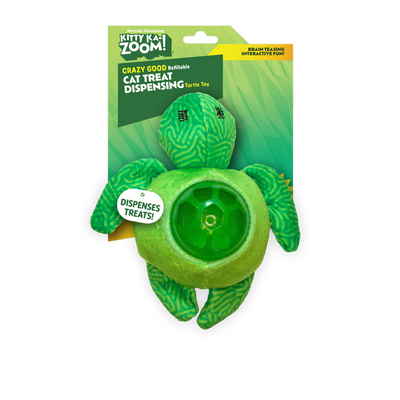
The single easiest change for an overweight cat: stop serving food in a bowl. A treat dispenser turns the same portion of food into twenty minutes of batting, chasing, and problem-solving. Same calories in, more calories out, and the eating slows way down, which helps the gulp-and-beg cycle too.
Use the food they were already getting, not extra. Load part of the daily portion into the dispenser, set it out at the usual mealtime, and let them work. For cats that inhale meals and immediately ask for more, this one change does more than any toy in the house.
Work-for-Food Setup



Troubleshooting the truly committed couch potato
Won't chase anything. Slow down. Most people move toys too fast for a heavy cat to consider chasing. Try the toy twitching under a blanket edge, which triggers even lazy cats. A spritz of catnip spray on the toy lowers the activation energy for cats that respond to it.
Plays for thirty seconds, then quits. That's a session. Take it. Three thirty-second bursts a day beats zero ten-minute workouts, and the bursts get longer over weeks as fitness builds.
Wild at 2 AM, immovable all day. That energy exists, it's just badly scheduled. Run a session in the evening and another before bed to spend it earlier. Our guide on tiring out a high-energy cat covers the session structure, and it works the same on a heavy cat at lower intensity.
The other cat steals every session. Separate rooms, or run two toys at once. The overweight cat needs their own hunt, not spectator seating.
What results actually look like
Weigh monthly, not daily, and expect gradual. Healthy weight loss in cats is measured in ounces per month, not pounds. What you'll notice before the scale moves: longer play sessions, more spontaneous movement between sessions, and eventually the return of honest-to-goodness zoomies, which from an overweight cat is the best progress report there is.
And the honest caveat: play is half the plan, not the whole plan. Food amounts, food type, and rate of loss are vet conversations, especially for a significantly overweight cat. Bring your vet in before changing the diet, and treat this plan as the movement half they'll be glad you're already doing.


0 comments