

Most multi-cat households don't have a toy problem. They have a setup problem. One toy, two cats, and someone always ends up watching from across the room while the other one claims it. Buying more toys and dropping them in the same spot doesn't fix it. What actually works is thinking about zones, timing, and the fact that two cats almost never play the same way.
The Math on Toys
The rule is simple: one toy per cat, plus one spare. For two cats, that's three to four accessible toys at any given time. They should be spread across different spots in the house, not clustered in one play area.
The reason cats don't share well comes down to scent. A toy that one cat just played with carries that cat's scent, which immediately drops the novelty value for the other cat. It's not that they're being difficult. The toy already feels "claimed." Rotation is the fix for this. Swapping toys every few days keeps both cats encountering something that smells fresh and interesting.
Zones Beat Sharing
Separate play zones work better than one shared play area. Put a kicker near the couch, another near the cat tree, one near a window or wherever the second cat tends to hang out. Each cat develops a home base for play without having to walk past the other cat to reach their toy.
This matters most for cats that don't have a close bond. They can each have a full play experience without physical proximity being a factor at all.
For wand play specifically, run cats separately whenever you can. One cat first, then the other. It sounds like more work, but each session ends up shorter because each cat gets real engagement time instead of half-engagement while watching the other one. A 10-minute focused session beats a 20-minute distracted one where one cat keeps checking what the other is doing.
When Cats Have Different Energy Levels
This is the most common multi-cat problem: one cat is bouncing off the walls and the other one is perfectly happy napping. The high-energy cat steamrolls every session. The calmer cat retreats.
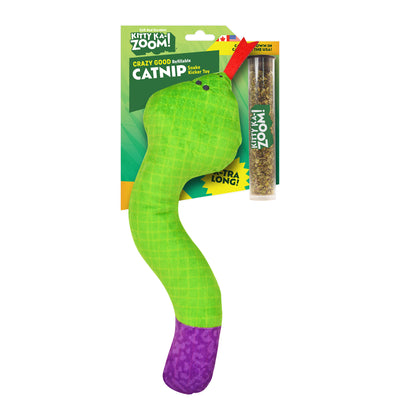
The fix isn't forcing them to match. The high-energy cat gets wand sessions and active kickers. The calmer cat gets a treat dispenser or a lighter solo toy. They don't need to play the same way to both be satisfied.
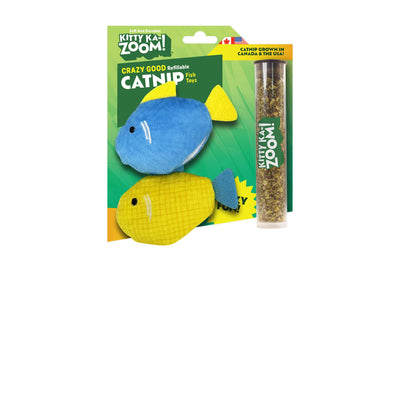
The Zoomie Multipack Fish is useful in this situation because it comes with multiple toys in one set, and the different shapes naturally suit different play styles. The longer fish work well for cats that like to carry and kick. The shorter ones work for cats that prefer to bat and swipe. Both cats get something that fits how they actually play.
Multi-Cat Toy Setup
Keeping Scent Fresh Matters More Than You Think
In a multi-cat house, one of the biggest play killers is scent competition. When one cat has been all over a toy, the other cat's interest drops. Rotating scent fills on different schedules for each toy keeps both feeling like new. Don't refresh all toys on the same day. Stagger them by two or three days so there's always something novel available.
Using Spray to Spark Interest in the Cat That Keeps Getting Sidelined
In most multi-cat households, one cat dominates play. They get to the toy first, the other cat watches, and over time the second cat just stops trying. Catnip spray can reset that dynamic without adding another toy to the mix.
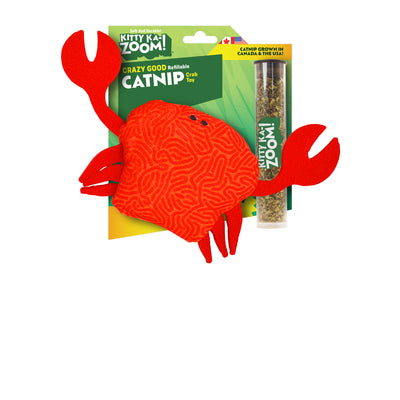
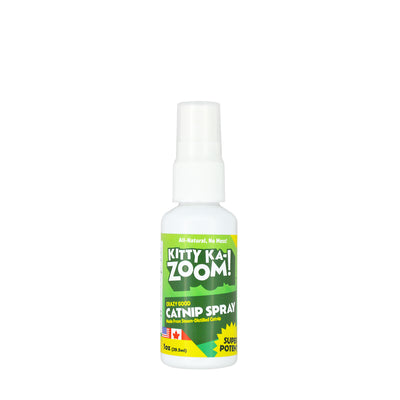
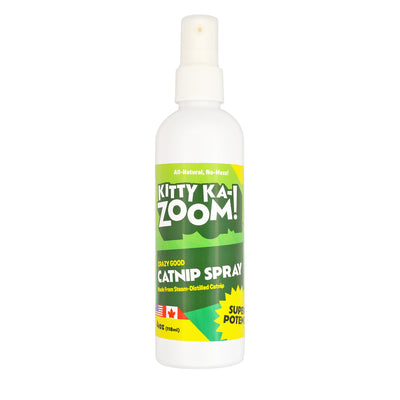
Kitty Ka-Zoom Catnip Spray gives you a way to refresh one toy independently of the other. A quick spray on the crab or kicker in one room, while the dominant cat is busy elsewhere, creates a fresh point of interest the second cat can get to first. You're not training them, you're just changing who has the advantage of novelty.
A few spray rules that matter more in multi-cat homes than single-cat ones:
- Spray one toy at a time. Spraying everything at once floods the room with scent and both cats end up competing over the same spot. Pick the toy that's been sitting ignored the longest.
- Don't spray mid-session. Wait until the active session is over and the toys are resting. Spraying while one cat is already playing pulls the other cat into the same zone, which is usually what you're trying to avoid.
- Target the "away" toy. The toy near the window, or wherever the quieter cat tends to hang out. Spray that one to pull them toward their own territory instead of following the dominant cat's action.
- Stagger spray days like you stagger scent refills. Spray Cat A's toy today, Cat B's two or three days later. Keeps novelty distributed across the week instead of both toys peaking and wearing off at the same time.
The 1oz spray works fine for occasional refreshes. If you're running spray on multiple toys on a regular rotation, the 4oz is the better value — two cats go through it faster than you'd expect.
Kitty Ka-Zoom Catnip Spray
For the full lineup of Kitty Ka-Zoom refillable toys, the best refillable cat toys guide covers how each shape plays differently. If one of your cats is especially high-energy, that post also covers how to drain energy fast without running two separate wand sessions all day.


0 comments